The arvo heat still sits heavy on the Darwin esplanade when the first tourists drift toward the pub pokies, pockets full of cash they meant to budget. I have watched that same scene play out for two decades on live tables, and the players who walk away usually treated their money like a fixed entertainment cost long before they ever touched a shoe. Casino bankroll for beginners is really just that same discipline, dressed up in chips and spin buttons, and it only holds together when you decide what you are willing to lose before the first deal.
What kind of bankroll actually fits your first session
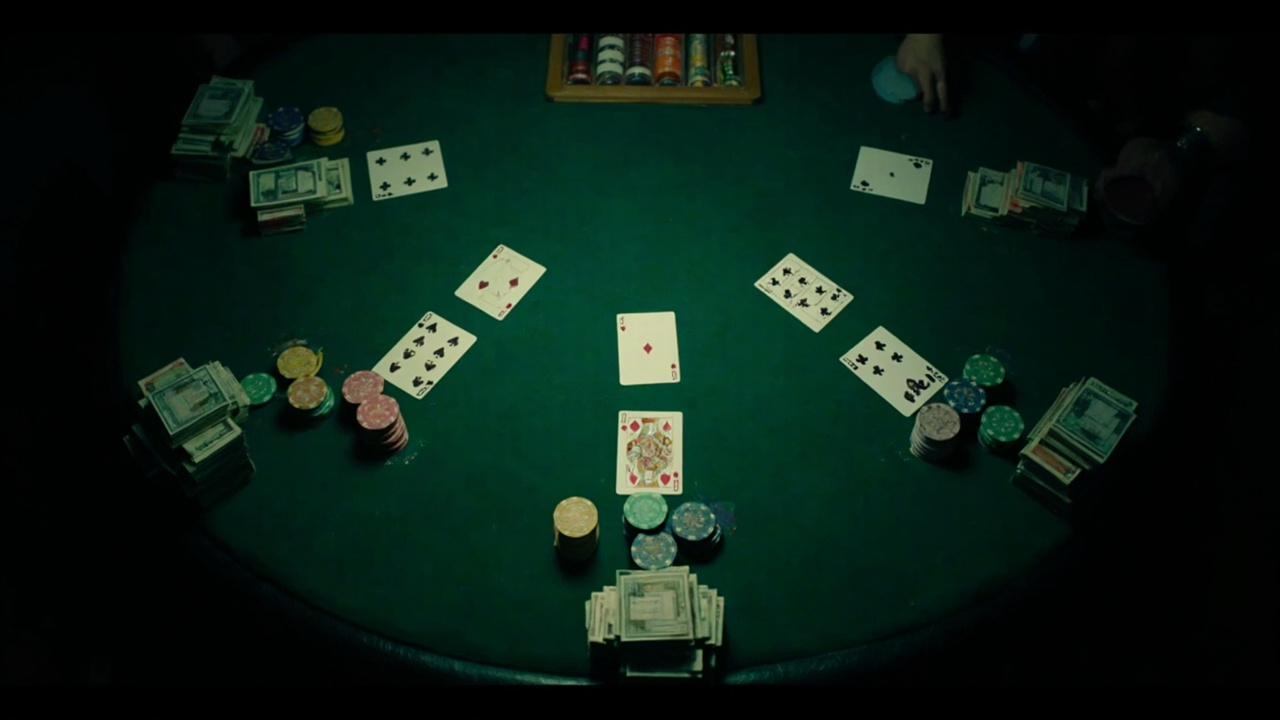
The question you should weigh first is not how much you can afford to chase, but how much you can comfortably set aside as entertainment spending for a single sitting. On the floor, I have seated regulars who brought three hundred dollars and treated it like rent money, and I have watched quiet visitors put fifty behind a blackjack layout and walk out satisfied because they never crossed their own line. A sensible casino bankroll for beginners starts with a hard ceiling you decide before you register, not after a hot streak tempts you to top up. That ceiling should sit well below any bill, grocery run, or car rego that matters in the same week, because the house edge does not care about your personal calendar. When you are comparing where to play, you will notice that signup flows and first-deposit prompts push you to fund quickly, so a deliberate pause before you enter card details is the only thing that keeps the number real. The number seven carries lucky associations across many Western gambling traditions, but it does not rewrite the maths, and a bankroll that survives a losing stretch is worth far more than a superstition that disappears the moment the shoe turns cold. Pokie artwork and themes are refreshed constantly to keep players interested, which is exactly why a pre-set limit matters more than the next flashy theme on the screen. skycr0wn-casino-login-au.com
How registration, verification and the first deposit should feel
The second decision is whether the signup and verification steps feel orderly enough that you know exactly what identity checks and payment rules you are walking into. A clean registration should ask for basic eligibility details, confirm you are eighteen or older, and lay out the verification documents you will need before any bonus can activate. I have backed more than one new dealer through compliance training, and the operators that treat identity checks as a routine gate rather than a surprise hurdle tend to run cleaner floors overall. Your first deposit should arrive with a clear bonus-activation window, readable wagering terms, and a payment method that settles in the currency you actually use, because mixing currencies or hiding terms is how a modest bankroll gets eroded by confusion. If you are weighing a new account, you can step through the signup at skycr0wn-casino-login-au.com and watch whether the first-session prompts explain the verification path before they ask for money. The right choice here is the one where the first play feels like a measured test of your limit rather than a rush to clear a bonus requirement you did not read.
How to pace your first play without letting the limit blur
The third question is how you will actually spend that bankroll once the cards are out or the reels start turning. A useful approach is to break the total into smaller session chunks, so a single bad hour cannot swallow the whole plan you made at the kitchen table. I have stood over roulette layouts where a player quietly reset their pace after a rough patch and still had enough left to finish the night on their own terms, and that kind of self-correction is the real skill. You should decide in advance how long a session runs, what game you will start with, and at what point you walk away whether the result is up or down. If you are playing a table game, keep the stakes a small fraction of the chunk you allocated, because a string of normal variance can wipe a tight bankroll fast when the bets are oversized. When the first session ends, note what happened without turning it into a story about luck, and treat the next visit as a fresh decision rather than a recovery mission. A bankroll only stays useful when you respect the boundary you set, and the players who last are the ones who leave while they still have money to come back with.
Start with a number you can genuinely afford to lose, split it into one-session chunks, and treat the first deposit as a test of your own discipline rather than a path to profit. Pick a registration flow that tells you upfront what verification and bonus terms apply, fund only after you have read those terms, and set a time limit before the first hand or spin. If the session drifts past your limit or your patience, close it there and revisit the decision later with the same clear head.