Walking into a live dealer room or clicking a game show title on your phone feels a bit like joining a pub quiz mid-round, especially when you are new to the format. In my time running regulated service operations across multiple time zones, I have learned that clarity beats cleverness every time, and that same discipline applies when you are trying to understand how these shows actually pay out. The trick is knowing where the skill ends and the random number generator begins, particularly when you are playing on the train home or during a quiet arvo in Geelong. This guide walks through the practical steps of encountering, reading, and playing these titles so you can make informed decisions without the usual marketing noise.
Understanding the format before you bet
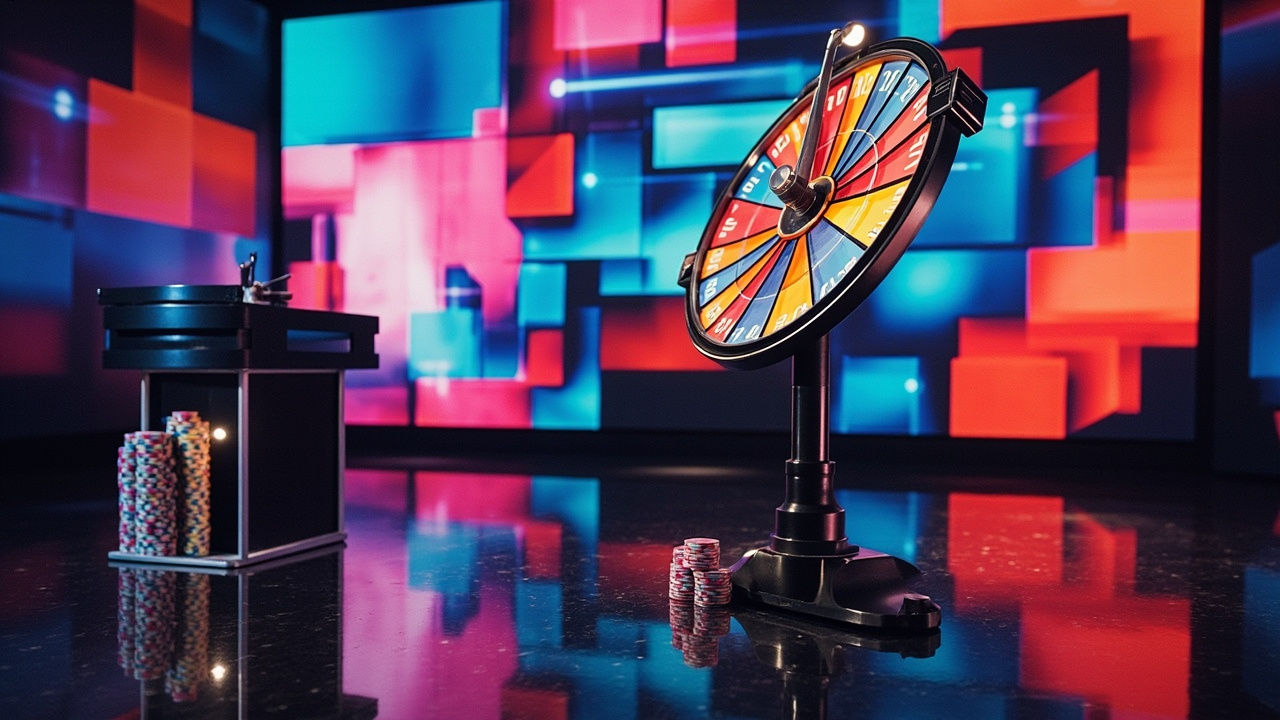
Game show casino games explained properly start with the screen layout, because the visual language tells you most of what matters before a single bet is placed. You will usually see a host or animated presenter, a prize ladder or multiplier wheel, and a set of coloured zones that correspond to different cash values or bonus triggers. The core mechanic is straightforward enough, but the timing matters more than people expect, particularly when you are balancing a coffee in one hand and a phone in the other. In practice, these titles borrow the pacing of television game shows while running on certified random outcomes behind the scenes, which means the spectacle is real but the result is not something you can steer with a gut feeling. I have seen support teams get overwhelmed when operators launch flashy new shows without clear paytable explanations, and the same lesson applies here: read the rules panel first, then decide whether the pace suits your style. The best way to approach it is to treat the first few spins as a calibration round rather than a chance to chase a big hit, because the display will show you how frequently each symbol or zone appears and what the minimum and maximum stakes actually cover.
How a session actually unfolds on mobile
When you open a game show title on a phone or tablet, the first thing you notice is how much of the screen gets given over to the show element itself, which is very different from a standard slot grid. A sensible walkthrough starts with checking the bet controls, because these games often let you adjust individual lines or total stake in ways that can quietly change your exposure. On a well-built mobile setup, the tap targets stay large enough to hit without zooming, the animations load without stuttering on a patchy connection, and the paytable sits within a couple of swipes rather than burying itself behind three menus. I once watched a Geelong player try to place a wager during a lunch break while standing in a queue near the waterfront, and the whole thing went sideways because the stake slider kept slipping under a thumb, which is exactly the kind of friction that turns a fun session into a frustrating one. A smooth experience should let you confirm your bet, watch the show segment play out, and see the result without hunting for a back button or waiting on a frozen frame.
The middle of a session is where the show mechanics take over, and this is where a lot of players misread what is happening. You might land on a bonus zone, trigger a multiplier round, or get invited to pick a box, but the important detail is that each of those moments is still governed by the game’s underlying maths rather than by how confident the host sounds. A practical habit is to keep an eye on the balance panel instead of the animation, because the numbers tell you what you have actually risked and what has been returned, not just what looks exciting on screen. Mobile performance matters here too, since a title that stutters during the bonus sequence can make it hard to tell whether a feature has resolved or is still loading, and that uncertainty is never a good look when real money is involved. If you are playing through a browser rather than an app, the same rules apply: the page should stay responsive, the bet confirmation should be obvious, and the result should be visible without having to refresh or tap around blindly. big-bass-amazon-extreme-au.com
The final part of a session is the one people rush past, which is a mistake because that is where you decide whether to continue or step away. A sensible player checks the current balance, looks at how the last round changed things, and then decides whether the pace still feels comfortable or whether it has started to feel like a grind. I have managed teams where the difference between a calm customer and an upset one came down to whether the outcome screen was clear about what happened and what the next step was, and the same principle holds for your own session. If the game has taken you into a bonus feature, the exit path should be easy to find and the result should be stated plainly, not hidden behind a flourish that makes it hard to tell what you have won or whether the round has actually ended.
| Feature | What to check on mobile | Why it matters |
|---|---|---|
| Bet controls | Tap targets, stake range, confirmation step | Prevents accidental wagers and keeps exposure clear |
| Paytable access | Visible within a swipe or two, plain language | Helps you understand symbols, zones, and bonus triggers |
| Bonus animation | Smooth playback, clear end point | Reduces confusion about whether a feature has resolved |
| Balance panel | Easy to read during play, updates promptly | Shows actual risk and return instead of just spectacle |
| Navigation | Back and menu options easy to reach | Lets you pause or stop without hunting through screens |
Who these games tend to suit
Game show casino games explained in plain terms usually appeal to players who enjoy a bit of structure and a visible sequence rather than a silent reel spin that disappears behind a cascade of symbols. If you like seeing a round play out in stages and reading a result that feels like a small event rather than a blink-and-miss-it moment, this format can fit that preference well. It also suits people who are comfortable setting a stake and sticking to it, because the show element can be lively enough to make a calm session feel more engaged without needing to push the bet higher just to stay interested. On the other hand, if you prefer a quiet, fast loop with minimal on-screen movement, the extra presentation can feel like more noise than you want, especially on a smaller phone screen during a busy day.
The practical fit comes down to how you like to spend your time as much as how you like to play. Someone sitting down for a proper session at home may enjoy the fuller presentation and the bonus rounds more than someone squeezing in a few plays between errands, because the show format tends to reward patience and attention rather than rapid tapping. I have always judged service design by whether it respects the user’s time, and that same test applies here: if the game lets you follow what is happening without making you work for it, it is doing its job. If you are the sort of player who likes to watch, read, and then decide, these titles can feel like a reasonable match; if you want something you can largely ignore while you focus on something else, they may not be the best use of your device.
Keeping the experience sensible on a budget
A good session with this style of game is less about chasing a particular outcome and more about knowing what you are signing up for before you press go. That means checking the stake range, understanding that the show element is there to entertain as well as to present the result, and accepting that random outcomes do not become kinder just because the presentation is polished. If you are playing on mobile, give the title a minute to settle on your connection before you commit to a larger bet, and keep an eye on whether the balance updates cleanly after each round. The sensible approach is to treat the first few plays as a way to learn the rhythm of the show, then decide whether the pace and the stake level still feel comfortable for the rest of the session.
If you want to see a live example of how this kind of game show presentation sits alongside other casino titles, you can browse the current selection at big-bass-amazon-extreme-au.com and compare the layout, stake range, and bonus behaviour before you commit any time or money. What matters most is that the game feels readable on your device, the rules are easy to find, and the session stays within the limits you set for yourself before you started.
Approach these games as a form of paid entertainment with a clear structure, not as a shortcut to a particular result, and you will get a lot more out of the format than if you sit down expecting the show to tilt the odds in your favour.